WAIT! Don’t Leave Before Claiming Your Free Gift...
Struggling to turn subscribers into buyers? This free video reveals 5 proven story frameworks that can double your sales in the very next email you send. It’s straight from my $500 Inbox Goldmine course. Just drop your email and I’ll send it over. 👇

Turn Silent Subscribers Into Daily Buyers!
Proven Email Strategies for Transforming Your List Into Your #1 Source of Predictable Revenue
Click the button below to open Jeremy's daily email tips and a FREE video training straight out of his popular $500 course – Inbox Goldmine
Click the button below to open Jeremy's daily email tips and a FREE video training straight out of his popular $500 course – Inbox Goldmine
5 Email Deliverability Myths That Are Killing Your Sales (and What to Do Instead)
Wednesday, December 31, 2025
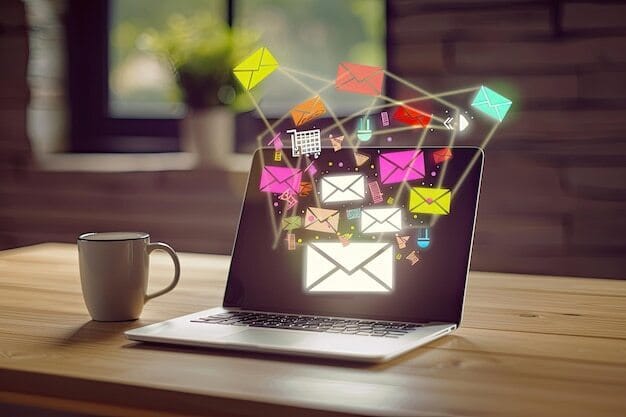
You spend hours writing the perfect email. The hook’s sharp, the story’s tight, the offer’s on point. You hit send… and nothing happens.
No sales. No replies. Barely any opens.
You assume your copy flopped — maybe the subject line wasn’t catchy enough or the audience lost interest. But here’s the truth most marketers never consider: your subscribers didn’t ignore you… they never saw you.
Your email didn’t make it to their inbox.
This silent killer is called email deliverability, and it’s the most overlooked factor in online sales. It’s the reason some businesses make money every time they hit “send,” while others can’t figure out why their results keep dropping — even when the message is solid.
Most people think if their email doesn’t bounce, it’s delivered. But there’s a massive difference between email delivery vs email deliverability — and understanding that gap could be the key to unlocking thousands in lost revenue.
Because when your emails get trapped by spam filters, flagged by poor sender reputation, or blacklisted for bad email list quality, your campaign dies before it even begins.
In this post, we’ll break down the biggest myths around email deliverability that are quietly strangling your sales. You’ll learn what actually matters for inbox placement, how to protect your sender reputation, and the simple email deliverability best practices that keep your emails landing where they belong — in front of paying customers.
Myth #1: “If It’s Delivered, It Reached the Inbox”
This is the biggest — and most expensive — misunderstanding in email marketing.
Most people think email delivery vs email deliverability means the same thing. It doesn’t. Email delivery only means your message didn’t bounce. It left your sending platform, reached the receiving server, and technically “arrived.” But email deliverability decides where that message lands — the inbox, the promotions tab, or the spam folder.
Think of it like sending a package. The courier marks it as “delivered,” but that doesn’t mean it made it to your friend’s front door. It could be stuck in the leasing office, left in the rain, or tossed behind a plant. Same with your emails — they might be “delivered,” but if inbox placement fails, they’re effectively invisible.
Why does this happen?
It usually comes down to trust. Mail providers look at factors like your sender reputation, email list quality, and bounce rate to decide if your messages deserve the inbox. If your reputation’s shaky — maybe you’ve sent to too many inactive subscribers or triggered spam filters too often — the algorithm protects users by filtering your messages away from view.
Even one bad habit can snowball. Old, unengaged leads drag down your engagement metrics (open rate, click-through rate). Poor targeting increases spam complaints. Those signals add up fast, quietly eroding your email deliverability and pushing more messages into spam with every campaign.
The fix? Audit your sending habits. Start with your email deliverability best practices:
• Regularly clean your list to keep email list quality high.
• Monitor your bounce rate and remove invalid addresses immediately.
• Use inbox testing tools to track inbox placement before every major send.
Your first goal isn’t better copy — it’s visibility. Because if your email doesn’t land where people can see it, you’re not doing email marketing… you’re just talking to yourself.
Myth #2: “Good Content Guarantees Good Deliverability”
This one’s painful because it feels unfair. You can pour your heart into crafting engaging, story-driven emails — and still get buried in spam.
The reason?
Email deliverability doesn’t care how brilliant your copy is. It cares how trustworthy you look to the inbox gods.
See, Gmail, Outlook, and Apple Mail don’t judge your tone or storytelling. They judge your email authentication (SPF, DKIM, DMARC), your sender reputation, and your track record of engagement. Those technical and behavioral signals decide whether you’re a legitimate sender or a spam risk.
You could have the best-written message in your niche, but if your authentication records are missing, your domain’s new, or your email warm-up process was rushed, your emails look suspicious to automated systems. They’ll quietly lower your inbox placement — no matter how good your content.
And if your bounce rate is high?
That’s another red flag. It tells providers you’re sending to fake or outdated addresses — a direct hit to your email deliverability best practices and your sender reputation. Even one campaign sent to a bad list can cripple your trust score overnight.
Great writing matters for persuasion. But technical credibility decides if your words ever get read. The smart marketers treat both as non-negotiable — because the world’s best copy won’t sell if it never sees daylight
Myth #3: “Avoid Certain Words and You’ll Stay Out of Spam”
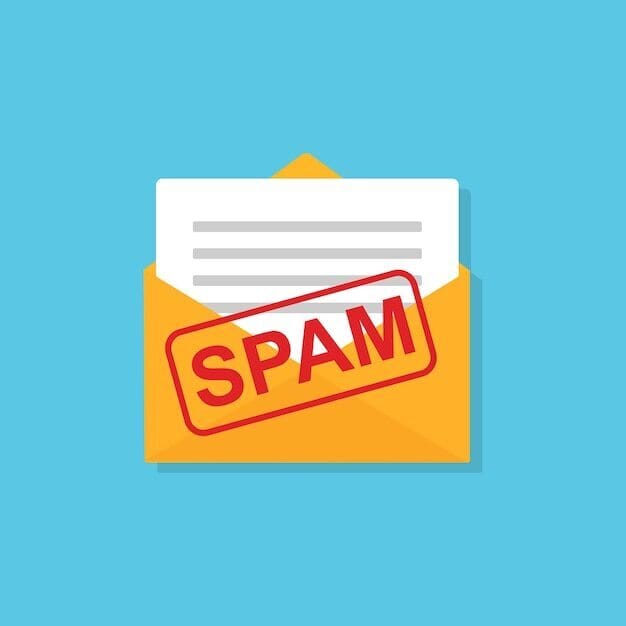
If you’ve ever Googled “how to avoid spam filters,” you’ve probably seen those ridiculous lists of “forbidden” spam trigger words — like free, buy now, limited time, or earn money.
That kind of advice made sense back when inbox algorithms were simple.
Today, it’s one of the biggest myths destroying email deliverability.
Modern spam filters are smart.
They don’t just look at your wording… they look at your behavior. They track things like your sender reputation, your email list quality, and your engagement metrics (open rate, click-through rate). If those are weak, it doesn’t matter how carefully you write — your emails will still get buried.
You could send the cleanest message ever — no hype, no “trigger words” — and still end up in spam if your audience isn’t opening or clicking. Low engagement tells providers your content isn’t wanted. High engagement tells them the opposite — that your messages are valuable and should go straight to the inbox.
Want proof?
I’ve seen marketers use “spammy” words all the time — and still crush it — because they built relationships and delivered consistent value. Their lists trust them, and trust beats every filter.
So instead of wasting time rewriting subject lines to dodge imaginary traps, focus on what truly moves the needle for email deliverability best practices:
• Keep your email list quality high by pruning dead or cold subscribers.
• Send content that earns clicks and replies (strong engagement metrics = stronger trust).
• Watch for sudden dips in inbox placement — that’s often a sign of disengagement, not bad wording.
Bottom line:
It’s not your vocabulary getting you filtered… it’s your reputation. Email deliverability rewards relevance, not restraint. If people love what you send, you can use the word “free” all day long and still land right where you belong — in the inbox.
Myth #4: “Once You Fix Deliverability, You’re Done”

Most people treat email deliverability like a one-time project. They tweak a few settings, run a test, see green checkmarks, and assume they’re good forever.
That’s a costly mistake.
Deliverability isn’t something you fix — it’s something you maintain. It’s alive. It changes with your behavior, your subscribers’ actions, and the ever-shifting standards of mailbox providers. Even if you’re nailing all the email deliverability best practices today, your reputation can crumble next month if you stop paying attention.
Here’s why:
Every email you send updates your sender reputation. If your latest campaigns have low engagement metrics (open rate, click-through rate) or too many unsubscribes, your reputation score drops — and your inbox placement follows. That’s how once-healthy lists slowly decay.
The same goes for technical upkeep.
Maybe your email authentication (SPF, DKIM, DMARC) records expired or got misaligned after a DNS change. Or maybe you switched tools without redoing your email warm-up sequence. Even one overlooked step can tank your email deliverability overnight.
You also have to watch your bounce rate and email list quality. If you keep sending to bad addresses, you risk landing on an email blacklist — the digital equivalent of being banned from the inbox. And once you’re on one, climbing back out can take weeks.
The fix isn’t complicated, but it requires discipline:
• Monitor inbox placement at least once a month.
• Audit your SPF, DKIM, and DMARC settings quarterly.
• Clean your list to keep your bounce rate under 2%.
• Stay consistent with sending frequency and tone.
Think of deliverability like fitness — stop exercising, and you lose progress fast. But stay consistent, and your domain’s reputation only gets stronger. And that’s when your emails stop being “campaigns” and start being predictable, daily revenue machines.
Myth #5: “Deliverability Is Just a Technical Problem”
This one might be the most misunderstood of all.
Most business owners assume email deliverability lives in the hands of tech people — DNS records, IP addresses, and mysterious “server stuff.” So they outsource it or ignore it entirely, hoping some plugin or platform will magically handle it.
That’s a huge mistake.
Yes, there’s a technical side — things like email authentication (SPF, DKIM, DMARC) and IP reputation matter. But deliverability is just as much psychology as it is technology.
Here’s what I mean:
Mailbox providers like Gmail don’t just analyze your settings. They watch how humans react to your emails — your engagement metrics (open rate, click-through rate), replies, and complaint rates. That means every subject line, story, and call-to-action you write directly impacts your sender reputation.
If your emails consistently get opened, read, and clicked, that’s a trust signal. It tells Gmail, “Hey, people like this sender.” That improves inbox placement across your entire list.
But if people scroll past your emails, delete them, or mark them as spam, you’re sending the opposite message. That’s not a technical error — that’s a relationship problem.
Here’s a real-world example:
A fitness coach I worked with had every technical box checked — perfect SPF, DKIM, DMARC, a squeaky-clean domain, and a low bounce rate. But his emails were lifeless. Every subject line sounded like a generic promo. Engagement tanked. Within a few months, Gmail started filtering his messages into the promotions tab and eventually spam.
Once he started writing conversationally, adding personal stories, and re-segmenting his list based on interest (to improve email list quality), his email deliverability shot back up. Same setup. Different human experience.
That’s the secret nobody tells you: your copy and your relationships feed your reputation just as much as your tech does.
Conclusion
Good emails don’t make money — seen emails do.
That’s the whole game of email deliverability.
It’s not about list size, flashy designs, or clever copy. It’s about trust — technical trust from mailbox providers and emotional trust from your subscribers.
When you follow email deliverability best practices, protect your sender reputation, keep your email list quality tight, and monitor your engagement metrics (open rate, click-through rate), your emails stop getting “delivered” and start getting read.
Master that, and every send becomes an opportunity to make sales on demand.
If you want to keep learning how to write emails that actually reach people — and get them to buy — click the yellow “SUBSCRIBE!” button below.
You’ll instantly get my free video training on 5 storytelling techniques from my $500 Inbox Goldmine course that’ll help you turn ordinary emails into daily income.👇👇👇
Turn Silent Subscribers Into Daily Buyers!
Proven Email Strategies for Transforming Your List Into Your #1 Source of Predictable Revenue
Click the button below to open Jeremy's daily email tips and a FREE video training straight out of his popular $500 course – Inbox Goldmine
Click the button below to open Jeremy's daily email tips and a FREE video training straight out of his popular $500 course – Inbox Goldmine
20 Portsmouth Avenue, Stratham NH 03885, US | jeremy@jeremymac.com | (207) 517-9957
Jeremy Mac © Copyright 2025. All Rights Reserved.
Privacy Policy | Refund | Terms of Service
20 Portsmouth Avenue, Stratham NH 03885, US | jeremy@jeremymac.com | (207) 517-9957
Jeremy Mac © Copyright 2025. All Rights Reserved.
Privacy Policy | Refund | Terms of Service