WAIT! Don’t Leave Before Claiming Your Free Gift...
Struggling to turn subscribers into buyers? This free video reveals 5 proven story frameworks that can double your sales in the very next email you send. It’s straight from my $500 Inbox Goldmine course. Just drop your email and I’ll send it over. 👇
Turn Silent Subscribers Into Daily Buyers!
Proven Email Strategies for Transforming Your List Into Your #1 Source of Predictable Revenue
Click the button below to open Jeremy's daily email tips and a FREE video training straight out of his popular $500 course – Inbox Goldmine
Click the button below to open Jeremy's daily email tips and a FREE video training straight out of his popular $500 course – Inbox Goldmine
Email Hooks That Sell: 7 Proven Ways to Grab Attention and Skyrocket Your Open Rates
Saturday, October 25, 2025
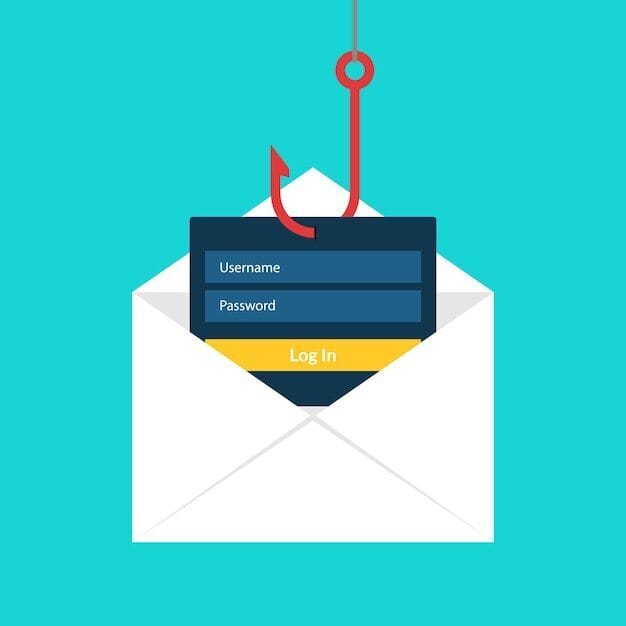
Your subscribers don’t hate your emails.
They just don’t notice them.
They’re buried under a pile of “quick updates,” “special offers,” and “just checking in” messages - every one of them blending together like white noise in an overstuffed inbox.
That’s where email hooks come in.
An email hook is the first jolt of energy that snaps your reader out of autopilot. It’s that pattern interrupt moment that makes them stop scrolling and think, “Wait… what’s this?”
Sometimes that hook is a punchy email subject line that hits an emotional nerve.
Sometimes it’s the first sentence, the email intro, that reels them in with curiosity or a relatable story.
Either way, your hook determines whether your email gets read or ignored.
The right one grabs attention, triggers emotion, and opens the door for persuasion. The wrong one? It dies in the inbox graveyard - unread, unseen, and unclicked.
In this post, you’ll learn exactly how to craft email hooks that grab attention, spark curiosity, and improve email open rates... without sounding like a desperate marketer. You’ll see why emotional triggers and smart email copywriting tips matter more than clever wordplay… and how to use them to make every email opening line impossible to ignore.
What Exactly Is an Email Hook (And Why It Matters More Than You Think)

Most people think an email hook is just a catchy first line.
Something “clever” to start an email with.
But here’s the truth…
A real hook isn’t just clever - it’s strategic. It’s the attention grabber that instantly pulls your reader into your message by sparking curiosity, emotion, or surprise. It’s what turns a cold scroll through the inbox into a click.
Think of your email subject line as your first hook.
It’s your first (and sometimes only) chance to stand out before they even open the message. Whether you use curiosity (“You won’t believe what happened this morning…”) or an emotional promise (“Why your business deserves to win”), your subject line should act as a pattern interrupt, something that jars the brain just enough to make the thumb stop.
Then comes your second hook:
The email intro.
That’s your opening line - the moment when you either confirm the promise made in the subject line… or lose them for good. A strong email opening line expands on the curiosity you created, connects emotionally, and builds momentum toward your core message.
The best hooks hit both the heart and the head.
They use emotional triggers like intrigue, surprise, or tension to make the reader feel something, and then back it up with clarity and relevance. Because when you make someone feel first, logic will follow.
So before you obsess over what to sell or how long your email should be, ask this:
Does your email start with a hook strong enough to stop someone mid-scroll?
If not, no amount of email marketing tips or email copywriting tricks will save it. The hook is where attention is earned and where every profitable email truly begins.
The Psychology Behind Irresistible Email Hooks

If you’ve ever opened an email and thought, “I just had to see where this was going…” - you’ve experienced the power of emotional triggers.
Great email hooks work because they tap into deep, universal emotions that drive attention and action. Curiosity, fear of missing out, surprise, desire, and even a little tension - these are the psychological levers that make your brain say, “Don’t scroll past this.”
The human brain is wired to respond to novelty.
That’s why a good pattern interrupt, something unexpected in your email subject line or email intro, instantly grabs attention. It breaks the predictable rhythm of the inbox and makes your message stand out like a flashing light in a dark room.
But grabbing attention isn’t enough.
Your hook also has to connect emotionally. The most effective email opening lines do more than surprise, they create emotional relevance. For example, a subject line like “Why your audience doesn’t trust you (yet)” doesn’t just make you curious, it pokes at insecurity, which makes the reader want resolution.
That’s the secret:
Attention + emotion = engagement.
Once you understand the psychology behind your reader’s reactions, every part of your email, from the subject line to the intro, becomes a tool for influence.
Here’s a quick rule from the best email copywriting tips I’ve learned:
The stronger the emotion, the shorter the hook.
When you make readers feel something fast, you improve email open rates and set the tone for the sale that follows.
So don’t just write to inform… write to provoke. Every word at the start of your email should make them feel something powerful enough to keep reading.
7 Proven Types of Email Hooks That Instantly Grab Attention
1. The Shocking Stat Hook
There’s something weird about numbers.
They cut through noise in a way words can’t.
When your brain sees a stat - especially one that doesn’t line up with what it believes - it pauses. It thinks, “Wait… is that true?” That split-second pause is the magic moment where attention is won.
This is why dropping a surprising or uncomfortable stat right in your email subject line or email intro works so damn well. It acts as a built-in pattern interrupt.
Let’s say you help online coaches.
Instead of writing another “How to grow your list” subject line, you start with something like:
“93% of coaches never make a dime from their list.”
Instant gut punch. The reader feels it. That stat triggers curiosity (why not?), a little fear (am I one of them?), and the urge to find out more. Those are emotional triggers working in real time.
You don’t need stats to impress people - you use them to wake them up.
It’s one of the simplest email copywriting tips that works in any niche: find a number that shakes belief, lead with it, and your email hooks will naturally improve open rates.
2. The Confession Hook
Confession is magnetic.
When someone admits something real, something they shouldn’t say out loud, you can’t look away. It’s human nature. We crave authenticity in a world drowning in polished “expert” nonsense.
That’s why the confession hook hits so hard in email subject lines and email intros. It slices through skepticism like a knife. Instead of sounding like another marketer “teaching” something, you sound like a real person telling the truth.
Here’s the trick: your confession doesn’t need to be dark or dramatic. It just needs to be honest.
“I hated my own emails.”
“I ghosted my list for 3 months.”
“I thought I was good at writing… until this one reply proved me wrong.”
Those lines make people lean in. They show vulnerability, which is one of the strongest emotional triggers you can use. Readers stop scrolling because they sense something genuine - something different. That’s the pattern interrupt at work.
Once you’ve got their attention, your email opening line simply continues the story.
You turn that confession into a lesson, a realization, or a new perspective that helps them.
That’s how you earn trust and curiosity at the same time - not by preaching, but by revealing.
Because when your emails start with honesty instead of hype, you don’t just improve email open rates…
You build connection.
And that’s what turns readers into buyers.
3. The Story-Start Hook
Nothing grabs attention faster than a story that feels like it’s already in motion.
Drop readers right into a moment - no setup, no preamble - and they’ll instinctively want to know what happens next.
That’s the power of the story-start hook.
Most marketers try to “explain” before they engage. They open with context, background, or purpose. But the inbox is not the place for that. The inbox rewards momentum.
You start with something that hits the senses:
“Yesterday, my best email completely bombed.”
“I was halfway through my morning coffee when I saw the refund come in.”
“The second I hit ‘send,’ I knew I’d screwed up.”
See how those lines pull you in?
They act as instant attention grabbers because they use a pattern interrupt - real, conversational language that doesn’t sound like marketing.
This type of email intro works because stories bypass logic and go straight to emotion. They light up the reader’s imagination, triggering empathy, curiosity, and connection - the most reliable emotional triggers in the book.
Once you’ve got them hooked, your email opening line transitions smoothly into the point of the story - maybe a marketing lesson, a mindset shift, or one of your favorite email marketing tips. The key is to make the reader see the moment before they understand the message.
That’s how you turn a simple story into one of the most powerful email hooks you’ll ever use.
Stories don’t just sell products, they sell attention.
4. The Question Hook
Curiosity is a force you can’t fight.
When someone asks a question your brain needs to answer, it locks on like a magnet.
That’s exactly why the question hook works so well in email subject lines and email intros. It forces engagement before the reader even realizes it’s happening. Their mind starts searching for the answer, and the only way to find it is to open your email.
But here’s the secret:
Not all questions are created equal.
Weak questions sound like small talk:
“How’s your week going?” or “Are you ready to make more sales?”
They’re flat. Predictable. Instantly forgettable.
Strong questions poke at tension, challenge assumptions, or hit emotional nerves.
For example:
“What’s the one line in your emails that decides if people buy or delete?”
That’s not small talk. That’s a punch to the gut - a pattern interrupt dressed up as curiosity.
The best email hooks make readers pause and think, “I don’t know… but I should.” That’s when the magic happens. You’ve triggered curiosity, stirred emotion, and opened a loop they’ll feel compelled to close.
Follow your question with a strong email opening line, something that rewards their curiosity fast. The first few words should pull them deeper into the idea you teased. That’s one of those subtle email copywriting tips that separates decent hooks from addictive ones.
Because when your email opens with a question that matters, you don’t have to beg for attention…
You command it.
5. The Contrarian Hook
If everyone’s shouting the same thing, whisper something different.
That’s the essence of the contrarian hook - saying what others won’t, or flipping a “popular truth” on its head. In a crowded inbox full of agreement and clichés, going against the grain is the ultimate pattern interrupt.
Most email subject lines sound like they’re trying to be liked.
They promise the same recycled benefits, the same “quick wins,” the same predictable tone.
But when you say something that challenges what your audience believes… you get instant attention.
Try lines like:
“Stop trying to sound professional in your emails.”
“Forget value — do this instead.”
“Why consistency is overrated.”
Those aren’t just statements - they’re little sparks of rebellion. They trigger emotional responses like curiosity, irritation, even a touch of disbelief. And that’s exactly what you want. You’re not here to be safe... you’re here to get read.
The best part? You don’t need to be controversial just for shock value. Your email intro should quickly explain why you’re taking that stance. That’s where your credibility and email copywriting tips come in - you back up your bold claim with logic or experience.
Contrarian hooks position you as a leader, not a follower. They show confidence and originality, two traits that build instant authority and improve email open rates.
In a world full of sameness, contrarians win.
6. The “You vs. Them” Hook
Human beings are tribal by nature.
We love belonging to a group but we really love proving we’re smarter than the other one.
That’s what makes the You vs. Them hook so powerful. It creates instant alignment with your reader by drawing a subtle (or not-so-subtle) line between their side and everyone else’s.
You’re not attacking anyone - you’re just giving your reader a flag to stand under.
Example of a mindset behind it:
“Most marketers ruin their list with this one mistake, and you’re about to stop doing it.”
That line doesn’t just act as an attention grabber; it flatters the reader. It says, you’re one of the smart ones. That’s a potent emotional trigger. People crave validation that they’re different from the crowd - more aware, more in control, more capable.
You can use this same approach in your email subject lines or email intros to make readers feel like insiders. Once they identify with your side, they’ll read everything else you write with a sense of loyalty and trust.
The key, though, is subtlety. You don’t need to bash “them”... just show the contrast. “Most coaches struggle with this…” or “Everyone says do X, but here’s why I don’t.”
That quiet defiance acts as a pattern interrupt that separates your voice from the echo chamber. And it’s one of those email copywriting tips that not only improves email open rates, but also deepens connection over time.
Because when your reader feels like part of an exclusive tribe… they don’t just read your emails, they root for you.
7. The Pattern Interrupt Hook
The fastest way to grab attention is to break expectations.
When everyone else is saying things the same old way... polished, predictable, professional... the quickest route to attention is to zig when everyone else zags. That’s what a true pattern interrupt hook does.
You’ve seen it before. You’re scrolling your inbox, half-distracted, and then a subject line hits you like:
“My coffee just yelled at me.”
“I almost sent this to my therapist.”
“The dumbest thing I’ve done in business (this week).”
You stop. You smile. You click.
That’s the goal.
The pattern interrupt works because it disrupts the mental rhythm of scanning. It gives your reader’s brain something novel - a moment of surprise, humor, or curiosity that feels real and unfiltered. The line doesn’t sound like marketing copy; it sounds like a person.
It’s also incredibly flexible. You can use it in your email subject lines to grab the first click, or in your email intro to hook them once they’re inside. The beauty is, you don’t need to be outrageous, just unexpected. Even a short, human moment or odd observation can serve as an attention magnet.
And here’s the deeper magic:
This kind of hook carries natural emotional triggers. Surprise, amusement, confusion - they all create micro-dopamine hits that make your reader want to keep going. That’s how you improve email open rates without gimmicks or spammy tricks.
The pattern interrupt is like hitting the inbox with a splash of cold water. It wakes people up. It makes them notice you again.
And when your readers expect you to surprise them?
That’s when your email hooks start doing the selling before you ever make an offer.
Common Email Hook Mistakes That Kill Your Open Rates

=For every great email hook that grabs attention, there are ten more that crash and burn before they ever get opened.
And most of them fail for the same few reasons - reasons you can easily avoid once you see them.
Mistake #1: Writing for yourself, not the reader.
Most bad hooks come from ego. You write what you think sounds clever… not what your reader actually cares about. The fix? Start every email subject line or email intro by asking, “What would make my reader stop scrolling right now?” Real hooks are built from their emotions... curiosity, fear, desire, pride... not your creativity.
Mistake #2: Confusing curiosity with clickbait.
There’s a fine line between sparking curiosity and tricking someone into opening your email. Clickbait might improve email open rates in the short term, but it kills trust fast. The best email hooks make a promise that your content actually delivers. Curiosity works only when it connects to something real.
Mistake #3: Being too polite or predictable.
If your email opening line could double as a LinkedIn post, it’s too safe. You’re not trying to sound perfect, you’re trying to sound human. Use a pattern interrupt, break rhythm, say something bold. You can’t be memorable if you’re terrified of being noticed.
Mistake #4: Forgetting emotion.
Facts tell, emotion sells - and nowhere is that truer than in your email subject lines and email intros. Without emotional triggers, your hook is just information. Add feeling... a spark of frustration, excitement, guilt, curiosity... and you’ll instantly multiply engagement.
Mistake #5: Ignoring the follow-through.
Even the best hook fails if what comes after it falls flat. Your email intro should flow naturally from your hook, rewarding the reader for opening. That’s where solid email copywriting tips come into play - rhythm, pacing, clarity, and emotional continuity.
The lesson here?
Hooks aren’t about being fancy - they’re about being felt.
Every time you hit “send,” you’re stepping into a conversation already happening in your reader’s mind. The stronger your first few words, the easier it is to lead that conversation wherever you want it to go.
So test your email hooks, tweak your email subject lines, and keep using the email marketing tips you’ve learned here to sharpen your instincts.
Because once you master the first few seconds of attention… the rest of the email practically writes itself.
Conclusion
Every click, every sale, every loyal reader begins with one thing - a great email hook.
Whether it’s a bold email subject line, an honest email intro, or a clever pattern interrupt, your first few words decide everything. They trigger emotion, spark curiosity, and open the door to connection.
So take these email marketing tips, test them, and keep sharpening your instinct for what grabs attention fast.
And if you want to go deeper...
Click the yellow “SUBSCRIBE!” button below to get my free video training on 5 storytelling techniques (pulled straight from my $500 Inbox Goldmine course). You’ll learn how to turn every email into a story your subscribers can’t stop reading.👇👇👇
Turn Silent Subscribers Into Daily Buyers!
Proven Email Strategies for Transforming Your List Into Your #1 Source of Predictable Revenue
Click the button below to open Jeremy's daily email tips and a FREE video training straight out of his popular $500 course – Inbox Goldmine
Click the button below to open Jeremy's daily email tips and a FREE video training straight out of his popular $500 course – Inbox Goldmine
20 Portsmouth Avenue, Stratham NH 03885, US | jeremy@jeremymac.com | (207) 517-9957
Jeremy Mac © Copyright 2025. All Rights Reserved.
Privacy Policy | Refund | Terms of Service
20 Portsmouth Avenue, Stratham NH 03885, US | jeremy@jeremymac.com | (207) 517-9957
Jeremy Mac © Copyright 2025. All Rights Reserved.
Privacy Policy | Refund | Terms of Service