WAIT! Don’t Leave Before Claiming Your Free Gift...
Struggling to turn subscribers into buyers? This free video reveals 5 proven story frameworks that can double your sales in the very next email you send. It’s straight from my $500 Inbox Goldmine course. Just drop your email and I’ll send it over. 👇
Turn Silent Subscribers Into Daily Buyers!
Proven Email Strategies for Transforming Your List Into Your #1 Source of Predictable Revenue
Click the button below to open Jeremy's daily email tips and a FREE video training straight out of his popular $500 course – Inbox Goldmine
Click the button below to open Jeremy's daily email tips and a FREE video training straight out of his popular $500 course – Inbox Goldmine
7 Email Copywriting Tips Every Business Owner Should Know (Even If You Hate Writing Emails)
Sunday, October 19, 2025
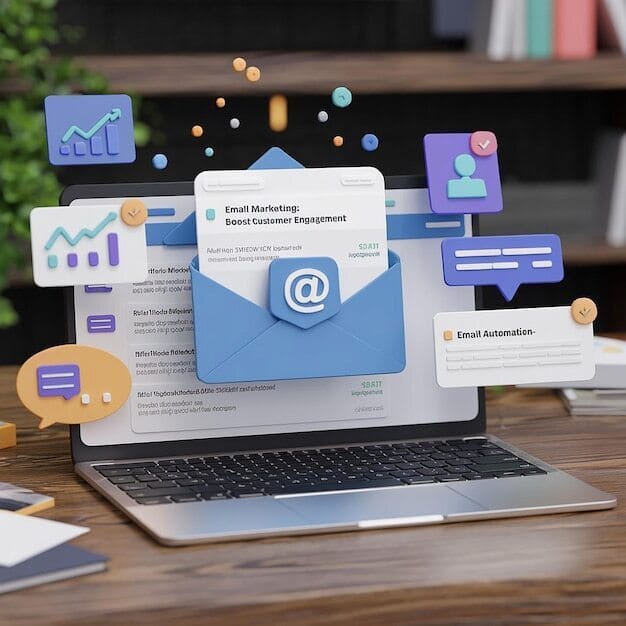
If you’ve ever stared at a blank screen trying to write an email for your business, you’re not alone. Most business owners dread it. It’s one of those “I know I should be doing this” tasks that somehow always slides to the bottom of the to-do list.
But here’s the truth:
Your inbox is the single most powerful sales channel you own. When you know how to write better emails, you can turn every message into money - without paid ads, complicated funnels, or endless social posts.
The problem?
Most people approach email copywriting like they’re writing a corporate memo… not a conversation with real humans. They cram in too much info, skip the emotion, and bury their offers under boring text blocks.
That’s why I want to share 7 practical email copywriting tips, the kind that actually work for business owners, not professional writers. These are the same email writing tips I’ve used (and taught clients to use) to turn small, half-dead lists into daily sales machines.
You’ll see emails examples that prove you don’t need to sound “salesy” to sell, plus a few email copywriting best practices that’ll make your messages stand out in crowded inboxes.
If you’ve ever wondered how to build a stronger email marketing strategy or just want fresh email marketing ideas that get clicks, opens, and replies... you’re in the right place.
Because by the end of this post, you’ll know exactly how to write emails people want to read and more importantly, buy from.
Email Copywriting Tip #1: Stop Writing Like a “Business” - Start Writing Like a Person

If you take one thing away from this list of email copywriting tips, let it be this: people don’t buy from businesses… they buy from people.
The fastest way to kill your sales is to write emails that sound like they came from a boardroom. You know the kind - stiff intros, formal tone, and sentences stuffed with buzzwords like “synergy,” “solutions,” or “innovative.” The problem isn’t that you’re trying to sound professional. It’s that you’re stripping out the human element that makes your message connect.
Here’s the truth about email copywriting...
It’s just conversation on paper.
The best marketers (think Gary Halbert, Ben Settle, or Dan Kennedy) write the same way they talk. Short sentences. Simple words. Real emotion. Their emails read like they were written for one person, not blasted to a list.
If you need proof, look at some great emails examples from brands that do this right.
Apple’s emails, for instance, don’t try to impress you with corporate lingo.
They focus on you...
Your experience, your desire, your next move.
Even smaller businesses that nail email writing for business owners keep the tone personal - like a friend dropping you a quick note, not a company pitching another product.
Here’s a quick test:
Before sending your next email, read it out loud. If it sounds like something you’d never say in a real conversation, rewrite it. Strip out the fluff. Add contractions. Talk to one person, not a crowd.
This simple shift alone can completely transform your email marketing results. When your tone feels genuine, subscribers drop their guard. They start reading your messages not as “marketing,” but as communication. And that’s when sales start happening naturally.
Email Copywriting Tip #2: Lead With Emotion, Not Information

When it comes to email copywriting, logic rarely sells - emotion does.
Yet most business owners fill their emails with facts, features, and bullet points about what they offer… and then wonder why no one clicks.
Here’s the secret:
Your readers don’t buy because of what you say - they buy because of how your words make them feel. If you want to learn how to write better emails, start with emotion first, logic later.
Think about it...
Nobody wakes up wanting to buy a “12-week coaching program.” They want the result... more clients, more freedom, more confidence. Your job is to paint that picture vividly. That’s the foundation of all great email copywriting best practices - making your reader feel something before you ask them to do something.
Take a look at strong emails examples from the best email marketing pros.
They start with a relatable story, frustration, or emotional hook - not a feature list.
For example:
“Ever sit staring at your laptop, wondering why no one’s buying?”
That line grabs attention because it speaks directly to a pain point your reader has felt.
Once you’ve caught their attention emotionally, then you can share the information - your offer, your bonus, your proof. But if you start with dry details, you’ll lose them before they ever reach your link.
This approach doesn’t just make your copy more persuasive - it makes your email marketing strategy more human. When your reader feels understood, trust builds. And trust leads to clicks, conversions, and loyal customers.
If you want to turn your next campaign into a sales generator, forget the “professional” pitch.
Tell a story. Tap into emotion. Then use the facts to back it up.
That’s how email writing for business owners becomes a real revenue driver - not a chore.
Email Copywriting Tip #3: Use “You” More Than “We” or “I”

If your emails sound like a running résumé for your business, they’re probably not getting read - let alone acted on.
One of the simplest but most powerful email copywriting tips is this... make your message about them, not you.
Most business owners fall into the trap of saying “we offer,” “we believe,” or “our mission.”
The problem?
Your readers don’t care about you - they care about what’s in it for them. That’s why great email copywriting always puts the spotlight on the reader.
Here’s a quick test for your next campaign:
Count how many times you use “I,” “we,” or your company name. Then count how many times you say “you.” If “you” doesn’t win by a landslide, it’s time to rewrite. This simple tweak can instantly transform your email marketing results because it shifts the focus from your business to your reader’s desires.
Look at some emails examples from top-performing campaigns. They talk directly to the reader: “You’ll discover…” “You’ll see results…” “You’ll love how easy this feels…” That conversational tone makes subscribers feel like you’re speaking directly to them, not at them.
In fact, this approach is one of the core email copywriting best practices - personalization through language. Even if your list has thousands of people, each message should feel like a one-on-one chat. When readers feel seen, they engage more, trust more, and buy more.
This mindset also fits perfectly into your overall email marketing strategy.
Instead of blasting out promotions, you’re building relationships.
And relationships lead to repeat sales.
So, next time you sit down to write, remember this: every “you” builds connection… every “we” creates distance. Want to learn how to write better emails? Start by making your reader the hero of every message.
Email Copywriting Tip #4: Don’t Sell the Product - Sell the Result

Here’s where most business owners get email wrong:
They sell the thing, not the transformation.
If you want your email marketing to drive consistent sales, don’t focus on what your product is - focus on what it does. This is one of the oldest and most reliable email copywriting best practices, and it’s the reason why some emails trigger a flood of orders while others get ignored.
Let’s break it down...
Nobody wants a “fitness program,” a “consulting package,” or an “online course.” What they want is the outcome - a stronger body, a clearer business plan, a faster path to freedom. When you learn how to write better emails, you stop describing features and start painting pictures. You help your readers imagine their life after saying yes.
For example, compare these two emails examples:
• “Join my 12-week business coaching program and get access to live Q&A calls.”
• “In 12 weeks, you’ll have a proven plan to double your client load, and the confidence to charge what you’re worth.”
Which one feels more exciting?
The second.
Because it focuses on the result, not the product. It taps into emotion - that powerful motivator we talked about in the last tip - and gives the reader a vision of success.
This is a cornerstone of any strong email marketing strategy. Every message should connect your product to the end result your audience craves. Use vivid, benefit-driven language that helps them feel the payoff before they ever click.
And remember:
This principle works across all industries.
Whether you’re sending emails for a coaching business, an online store, or a service brand, your job isn’t to sell features - it’s to sell outcomes.
So next time you write, ask yourself: “Am I describing what I sell… or what they’ll get from it?” That single question will elevate your email copywriting faster than any template, formula, or email marketing idea you’ll ever find.
Email Copywriting Tip #5: Swipe the Right Way
Every marketer loves a good email swipe file - those collections of high-performing emails examples you can study (or steal ideas from) to jumpstart your own campaigns.
But here’s the catch:
Most business owners use them the wrong way.
Instead of learning from the psychology behind a great email, they copy it word-for-word. That’s not strategy - that’s sabotage. Because when you blindly copy someone else’s message, you lose the one thing that makes your email marketing powerful... your voice.
The right way to use a swipe file?
Use it as inspiration, not imitation. Look for structure, rhythm, tone, and flow. Ask: Why does this opening grab attention? What emotion is it tapping into? How does the call to action feel natural? This kind of analysis helps you learn how to write better emails while keeping your message authentic.
Here’s a practical example:
Say you find an email that opens with a shocking stat: “97% of coaches never follow up with leads.” Instead of copying that, you might write: “If you’re like most coaches, you’ve probably let a few leads slip through the cracks.” Same emotional trigger, completely different voice. That’s smart swiping.
This is one of those email copywriting best practices most people ignore, and it’s why their email marketing strategy falls flat. Great emails sound like you, not like a template. They reflect your brand personality, your beliefs, and your reader’s needs.
So yes, build a solid swipe file.
Study other email copywriting tips and examples.
But always remember:
The goal is to understand why something works - not to clone it.
Once you do that, you’ll never run out of fresh email marketing ideas, and your messages will feel more original, personal, and persuasive than 99% of what’s in your readers’ inboxes.
Email Copywriting Tip #6: Write the Subject Line Last
If your emails aren’t getting opened, nothing else matters.
You could have the most persuasive message in the world, but if your subject line doesn’t grab attention, your reader will never see it. That’s why one of the smartest email copywriting best practices is to write the subject line last, not first.
Here’s why this works:
When you start with the body of your email, you naturally discover the main emotion, idea, or promise behind it. That clarity makes it 10x easier to write a subject line that fits perfectly - instead of forcing one before you even know what you’re saying.
Think about your subject line as the “ad” for your email. Its only job is to get the open. The best email copywriting tips for this are simple:
• Keep it short (5–7 words max)
• Use curiosity or benefit-driven language
• Avoid clickbait - always deliver on what you promise
Take these emails examples:
• “This mistake costs business owners daily sales”
• “How to double your open rates (without changing your list)”
• “A quick win for your next email marketing campaign”
Each one teases value, emotion, or intrigue - but none feel like spam. That’s what separates good email marketing from desperate inbox noise.
And if you want to learn how to write better emails, start tracking your subject lines. Split test them. Learn what makes your audience click. Over time, you’ll develop your own intuition for what works and that becomes one of your most valuable email writing tips.
Your subject line should act like a door handle, not a barrier.
It invites people in, sets the tone, and earns their attention. Write your email first, then craft a headline that naturally hooks curiosity or highlights the transformation inside.
That’s how pros build a strong email marketing strategy - one that starts with the click, then earns the sale.
Email Copywriting Tip #7: Always Have One Clear Call to Action (CTA)

If your emails don’t convert, it’s usually not because your offer is bad - it’s because your readers don’t know what to do next.
The final, and arguably most overlooked, email copywriting tip is to always include one clear, simple call to action.
Here’s the thing:
When you pack too many links or mixed messages into one email, you create confusion. And confused readers don’t click. They delete. That’s why one of the golden email copywriting best practices is this - every email should have one goal, one message, and one action.
Look at the best emails examples in the world of email marketing.
Each one funnels the reader’s attention toward a single, obvious next step. Whether it’s “read this post,” “book your call,” or “grab your spot,” there’s zero guessing involved. The design, the copy, and even the pacing all lead to that one action.
If you want to know how to write better emails, start thinking like a guide, not a salesman.
Tell your readers exactly what to do and why it matters. Instead of saying, “Check out our latest offers here,” say, “Click below to see how this can help you sign more clients this month.” That’s clear. That’s direct. That’s persuasive.
And yes, this applies whether you’re promoting a new offer or simply nurturing your list.
Every message should move your reader closer to a result. That’s how you build a reliable email marketing strategy, by training your audience to click, engage, and act.
If you follow this one rule... one email, one goal... your results will skyrocket.
Because clarity converts, and consistency builds trust.
And trust?
That’s the foundation of every profitable email writing for business owners system
Conclusion
If you’ve made it this far, you now know the core email copywriting best practices that turn ordinary messages into money-making machines. When you use these email copywriting tips - writing like a person, leading with emotion, focusing on “you,” and selling results - your email marketing starts to feel effortless… and profitable.
You don’t need to be a copywriter to make this work.
You just need to understand how to write better emails that feel real, personal, and valuable to your reader. The more you apply these email writing tips, the more consistent your sales become. That’s how a simple email marketing strategy turns into daily revenue.
Click the yellow “SUBSCRIBE!” button below to get my free video training - 5 Email Storytelling Techniques That Turn Ordinary Messages Into Daily Sales.
It’s straight from my $500 course, Inbox Goldmine, and it’ll show you step-by-step how to turn your next email into cash in your inbox 👇👇👇
Turn Silent Subscribers Into Daily Buyers!
Proven Email Strategies for Transforming Your List Into Your #1 Source of Predictable Revenue
Click the button below to open Jeremy's daily email tips and a FREE video training straight out of his popular $500 course – Inbox Goldmine
Click the button below to open Jeremy's daily email tips and a FREE video training straight out of his popular $500 course – Inbox Goldmine
20 Portsmouth Avenue, Stratham NH 03885, US | jeremy@jeremymac.com | (207) 517-9957
Jeremy Mac © Copyright 2025. All Rights Reserved.
Privacy Policy | Refund | Terms of Service
20 Portsmouth Avenue, Stratham NH 03885, US | jeremy@jeremymac.com | (207) 517-9957
Jeremy Mac © Copyright 2025. All Rights Reserved.
Privacy Policy | Refund | Terms of Service