WAIT! Don’t Leave Before Claiming Your Free Gift...
Struggling to turn subscribers into buyers? This free video reveals 5 proven story frameworks that can double your sales in the very next email you send. It’s straight from my $500 Inbox Goldmine course. Just drop your email and I’ll send it over. 👇
Turn Silent Subscribers Into Daily Buyers!
Proven Email Strategies for Transforming Your List Into Your #1 Source of Predictable Revenue
Click the button below to open Jeremy's daily email tips and a FREE video training straight out of his popular $500 course – Inbox Goldmine
Click the button below to open Jeremy's daily email tips and a FREE video training straight out of his popular $500 course – Inbox Goldmine
The Secret Psychology of Email CTAs: How to Get More Clicks (Without Sounding Salesy)
Monday, October 13, 2025
Most people think the key to higher email sales is a better offer… or a fancier design… or maybe sending more often.
But the truth?
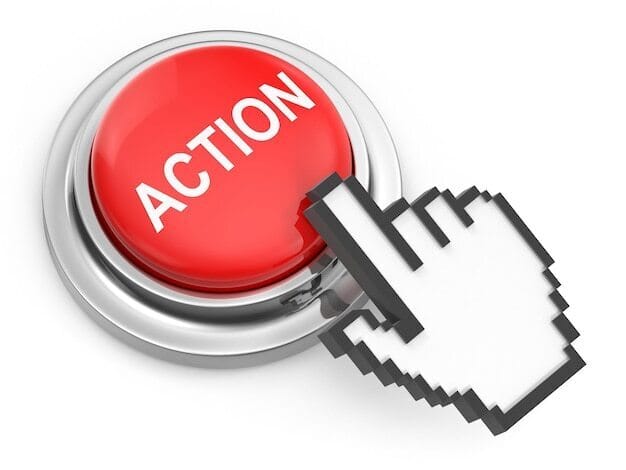
It usually comes down to one simple line of copy, your email CTA.
I’ve seen perfectly good emails flop, not because the product was weak, but because the call to action was invisible, confusing, or just plain boring. The best offers in the world can’t save an email with a bad CTA.
And yet, most entrepreneurs treat their email call to action like an afterthought, a tiny button at the end of a message instead of the bridge between interest and action.
In this post, you’ll learn how to write CTAs that actually get clicked... without sounding pushy, fake, or desperate. We’ll break down what a CTA in an email really is, the psychology that makes people click, how many CTAs belong in each email, and the best CTAs for email that convert attention into sales.
Let’s start with the foundation…
What Is a CTA in an Email (and Why It Matters More Than You Think)

If your emails aren’t getting clicks, there’s a good chance it’s not your offer, subject line, or design that’s to blame… it’s your CTA - your call to action.
So what is a CTA in copywriting, exactly?
It’s the part of your message that tells the reader what to do next - click here, sign up, buy now, reply, watch the video, whatever your goal is. It’s the moment your email shifts from “interesting” to actionable.
Most people think of a CTA in email as just a button or a hyperlink. But in direct response, your email call to action is far more than that. It’s the culmination of your message - the point where emotion meets logic and your reader decides whether to move forward or move on.
Here’s the kicker:
Every piece of email copywriting you write leads up to that single line. The story, the hook, the offer - all of it exists to earn that one click. That’s why the strongest marketers in the world obsess over their CTAs. They test wording, placement, and even spacing until it feels natural yet impossible to ignore.
For example, imagine ending an email with this:
“Click here to learn more.”
Now compare it to this:
“See exactly how I doubled my client’s sales using this simple tweak.”
Both technically ask for a click. But the second version connects curiosity, benefit, and clarity... the three traits of every great call to action email.
In short:
Your CTA isn’t an afterthought. It’s the heartbeat of your email marketing. When you get that one line right, everything else gets easier... higher open rates, more clicks, more sales.
The Psychology Behind Every High-Converting Email CTA

Every high-performing email CTA is built on one core truth:
People buy emotionally, then justify logically.
That means if your call to action email feels like a command - “Click here,” “Buy now,” “Get started” - you’re missing the point.
Because in real life, people don’t take action just because you tell them to. They act when something inside them, curiosity, excitement, fear of missing out, stirs enough emotion to move their cursor.
That’s the difference between basic cta copywriting and strategic persuasion.
You’re not instructing people… you’re inspiring them.
When you understand the psychology behind a CTA in email, you can write short, simple lines that make readers want to click - not because they feel pressured, but because they feel pulled.
Let’s dig into the three psychological levers that power every high-converting email call to action plus a few bonus triggers most marketers overlook.
1. Curiosity: The Open Loop That Demands Closure
Humans are wired to hate unfinished stories.
When you hint that there’s something valuable, surprising, or exclusive on the other side of a click, your reader’s brain needs to find out what it is.
That’s why lines like “Click here to see my offer” rarely work, they close the loop too soon. There’s no intrigue. No reward for clicking.
Instead, try:
“See why 347 subscribers jumped on this yesterday.”
“Watch how one sentence tripled this coach’s income.”
“You’ll never think about subject lines the same after this.”
These spark curiosity without giving away the punchline. The reader’s subconscious can’t help but chase closure.
Legendary copywriter Gary Halbert called this “creating an itch that only your link can scratch.” It’s not manipulation… it’s momentum. So before you send your next email marketing campaign, ask yourself: Does my CTA open a loop… or close it too soon?
2. Reward: The Payoff That Makes Clicking Feel Worth It
Curiosity gets attention - but reward keeps it.
Your reader’s brain runs on one question: “What’s in it for me?”
If your copywriting call to action doesn’t answer that in a split second, they’ll scroll right past it.
Instead of “Download the checklist,” say:
“Steal my 5-minute client-getting checklist.”
“Grab the same template I use to turn cold leads into daily sales.”
See the difference? It’s not just an instruction... it’s a payoff.
Here’s the secret: reward doesn’t have to mean discounts or bonuses. It can be status (“See how top coaches sell through storytelling”), relief (“Finally stop guessing what to write next”), or certainty (“Use the exact script that closes clients fast”).
You’re not selling a click… you’re selling a feeling.
The more specific and emotionally rewarding the benefit, the stronger your email CTA becomes.
3. Urgency: The Nudge That Defeats Procrastination
Let’s face it, your readers are busy. Even if they love your email, they’ll think, “I’ll come back to this later.”
Spoiler:
They won’t.
That’s where urgency comes in.
People move when they believe waiting will cost them something... an opportunity, a discount, or even just momentum.
You can create that tension with lines like:
“Only available until midnight.”
“Enrollment closes tonight.”
“Last chance to grab this before it’s gone.”
But here’s the nuance most miss:
Urgency isn’t about pressure. It’s about prioritization. You’re helping the reader act while the motivation is fresh. The best email copywriting uses light, ethical urgency - enough to inspire action without feeling manipulative.
As Dan Kennedy said, “There’s no such thing as a deadline that isn’t enforced.” So make your urgency real.
And if your offer isn’t time-sensitive? Create emotional urgency.
Remind them what they lose by waiting - lost leads, missed momentum, or another week stuck where they are.
Master these three core principles of CTAs, and your email marketing won’t just get clicks - it’ll get commitment.
Because at the end of the day, your cta in email isn’t about making readers act. It’s about aligning with what they already want and giving them a reason to do it right now. So stop shouting at your subscribers with buttons. Start guiding them with psychology. That’s how you turn casual clicks into consistent sales... one smart, emotionally charged CTA at a time.
How Many CTAs Should You Have in an Email? (Spoiler: Less Is Usually More)
This question comes up constantly in email marketing circles:
“How many CTAs should you have in an email?”
The short answer?
Usually one.
The longer answer?
It depends on your goal, but clarity always beats quantity.
Think of your email call to action like a spotlight. The more places you shine it, the dimmer it gets. When you ask readers to “click here,” “book a call,” and “read my latest post” all in one message, you’re not giving them options, you’re giving them confusion.
One clear CTA in email makes it easy for people to take the next step. That’s why most top-performing campaigns focus on a single action and reinforce it several times. You might mention it in the middle of your copy, again near the bottom, and once more in a button - all pointing to the same exact place.
Of course, there are exceptions.
If you’re sending a long newsletter or a round-up with multiple topics, you can sprinkle in multiple email CTAs, as long as each one clearly connects to its section’s purpose. But even then, each mini-story should still lead to one obvious next step.
When in doubt, ask: “If my reader could only click one thing in this email, what would it be?”
That’s your true call to action.
Here’s the rule seasoned email copywriting pros follow: one email, one objective, one CTA.
Keep it clean. Keep it focused. And watch how your click-through rate climbs.
The Best CTAs for Email (Proven to Get Clicks and Sales)

So, what makes the best CTAs for email - the ones that actually get clicks and sales instead of crickets?
It’s not fancy design. It’s not shouting “BUY NOW!” in all caps.
It’s clarity, curiosity, and tone.
The strongest email CTAs sound conversational and natural - like something you’d say out loud to a friend, not something you’d find on a corporate sales page.
Here are a few proven call to action email examples you can swipe and adapt:
• “See how it works” — great when you’re teasing a method, strategy, or behind-the-scenes reveal.
• “Grab your spot before it’s gone” — a simple scarcity-based nudge that works for live events or limited offers.
• “Show me the results” — adds curiosity and a little attitude, perfect for case-study-style emails.
• “Send me the checklist” — works beautifully when offering a free lead magnet or resource.
• “Yes, I want this!” — direct, emotional, and ideal when your reader already knows the offer.
Each one taps into a different psychological lever - curiosity, reward, urgency, or emotion.
That’s the essence of strong cta email marketing:
Making the reader feel something that drives a natural action.
You can (and should) test variations over time. Change one word, shift the tone, or make the benefit clearer. Even swapping “Get” for “Grab” can lift clicks because it changes the energy of your copywriting call to action.
Bottom line: the best CTAs for email aren’t loud or clever. They’re clear, confident, and aligned with what your reader already wants.
How to Write CTAs That Fit Your Email Marketing Voice

Writing a strong email CTA doesn’t have to be complicated. You just need a few simple habits that make your call to action clear, confident, and click-worthy.
Here are some quick, proven action tips you can use right now:
1. Start with a verb.
Every great call to action email begins with action words - grab, claim, discover, see, start, download. They create momentum and make readers feel movement.
2. Focus on one benefit.
Don’t say “Click here.” Tell them why. Example: “See how to double your client bookings.” Tie your cta in email directly to the result they want most.
3. Match your tone.
Your email copywriting voice should carry into your CTA. If you’re casual, write like you talk (“Yep, I’m in!”). If you’re professional, keep it crisp (“Start your free trial”).
4. Make it short and scannable.
Avoid long, clunky CTAs. Five words or less usually wins. People scan, not study, so make your email call to action stand out visually - bold, buttoned, or on its own line.
5. Add urgency when it fits.
Don’t overdo it, but a light nudge like “Today only” or “Before it’s gone” gives people a reason to act now instead of later.
6. Test, tweak, repeat.
Change one word at a time and track your clicks. Even small adjustments in cta copywriting can make a big difference in conversions.
Simple tweaks like these can transform how your readers respond. Your copywriting call to action doesn’t have to scream, it just has to connect.
Conclusion
Your call to action is the single most valuable sentence in your entire email. Treat it like the hinge that turns interest into income.
Before you hit send on your next email marketing campaign, test one of the tips above... then watch what happens.
And if you want more strategies like this, hit the yellow “SUBSCRIBE!” button below to get my free Stories that Sell video training. Inside, you’ll learn five storytelling secrets (straight from my $500 course) that turn everyday emails into consistent daily sales.
Go grab it now, and start crafting CTAs your subscribers can’t help but click 👇👇👇
Turn Silent Subscribers Into Daily Buyers!
Proven Email Strategies for Transforming Your List Into Your #1 Source of Predictable Revenue
Click the button below to open Jeremy's daily email tips and a FREE video training straight out of his popular $500 course – Inbox Goldmine
Click the button below to open Jeremy's daily email tips and a FREE video training straight out of his popular $500 course – Inbox Goldmine
20 Portsmouth Avenue, Stratham NH 03885, US | jeremy@jeremymac.com | (207) 517-9957
Jeremy Mac © Copyright 2025. All Rights Reserved.
Privacy Policy | Refund | Terms of Service
20 Portsmouth Avenue, Stratham NH 03885, US | jeremy@jeremymac.com | (207) 517-9957
Jeremy Mac © Copyright 2025. All Rights Reserved.
Privacy Policy | Refund | Terms of Service